
By Angela Anderson
In 2020 we’ve seen racial tension comparable to the 1960’s Civil Rights Movement, with all the ugly stuff it involved; including police brutality, widespread riots, and modern-day lynchings. To deny that racism exists today is to turn a blind eye on a large systemic and communal problem. As educators and advocates for equality, the fight for the rights of our black students and the greater minority community is far from over.
Most of America’s schools take a “whites preferred” approach to curriculum; including a drawn out “Lincoln-freed-the-slaves” narrative, failing to account for the centrality of slavery and anti-black racism in the shaping of U.S. history. Our schools are also well known for teaching contempt for black culture; including hairstyles, music, clothes, and speech. This curriculum approach denies the actual history and oppression that led to our current state of inequality. Even more, this contempt for black culture is like teaching our black students a contempt for themselves, for who they are; ultimately repelling these students from school and from furthering their education.
For educators, curriculum is our daily communication, and it encompasses all the same trivial problems. Regarding social justice, what and how we teach can tell our students what we believe to be true about them, their culture, and their abilities. It is up to us to choose our words wisely, plan the lessons that will most empower our black and minority students, and prepare them for a world that is still unequal.
Much of these concepts fall in line with the philosophies of Dr. Gloria Ladson-Billings, a curriculum designer well known for her framework of Culturally Relevant Pedagogy (CRP). CRP is a form of teaching that calls to engage learners whose experiences and cultures are traditionally excluded from mainstream settings. It calls for a curriculum that focuses on student learning, cultural competence, and socio-political consciousness.
CRP asks that teachers utilize students’ culture as a vehicle for learning, forming lesson plans with a purposeful relevance to their lives. Ladson-Billings continues that students must develop a broader socio-political consciousness that allows them to critique the cultural norms, values, and institutions that produce and maintain social inequities. This awareness of inequities helps students find connections to the everyday problems of living in a society that is deeply divided along racial, ethnic, linguistic, economic, environmental, social, political, religious and cultural lines. Students should leave the classroom knowing that their education and awareness can help alleviate these problems and divisions, (Ladson-Billings, 2014).
Leading from this awareness of inequities, we must place more importance on civic duty to prepare our students to use their voice to empower themselves and their community. Educators have to integrate social justice and advocacy into their every-day speech. Sit down with your students, have more “circles,” and talk with them about what is going on in the world. Make it clear as day that you want to hear their voices. Ask your students constantly to form their own opinions and remind them that they are heard, valued, and matter.
As educators, we must press for anti-racist teaching to be integrated into the broader school culture and the curriculum of all subjects. We must constantly and consistently offer solidarity to our students in the fight against racism, in our schools and the broader society.

Physics and chemistry are highly interconnected fields, and their relationship is based on fundamental understandings in the behavior of matter and energy. Many physics principles, such as Newton’s laws of motion and the laws of thermodynamics, are crucial for studying chemical reactions and changes in state. Outside of Newtonian physics, principles of quantum mechanics such as wave-particle duality and the Schrödinger equation are foundational for understanding chemical bonding and spectroscopy. Digging into each of these sub-topics further, we can better understand the value in the interconnectedness of these sciences …

The School-to-Prison Pipeline (STPP) is a metaphor that describes the growing trajectory for students from their schools into the juvenile or adult criminal justice system. Research exploring the relationship between perceived negative school experiences and subsequent justice system involvement finds significant associations that reveal the student populations most at risk for falling into this pipeline, with the majority demographic being our Black youth …

How a school disciplines their students is just as crucial a part of the curriculum as the subjects being taught in the classroom. Let’s delve into the intricate landscape of school discipline, exploring various approaches and their implications. This report seeks to approach school discipline from diverse angles, shedding light on the current state of affairs, policy developments, and their impact on students. By synthesizing our findings, we aim to better understand the most effective strategies to enhance learning environments and reduce student misbehaviors …
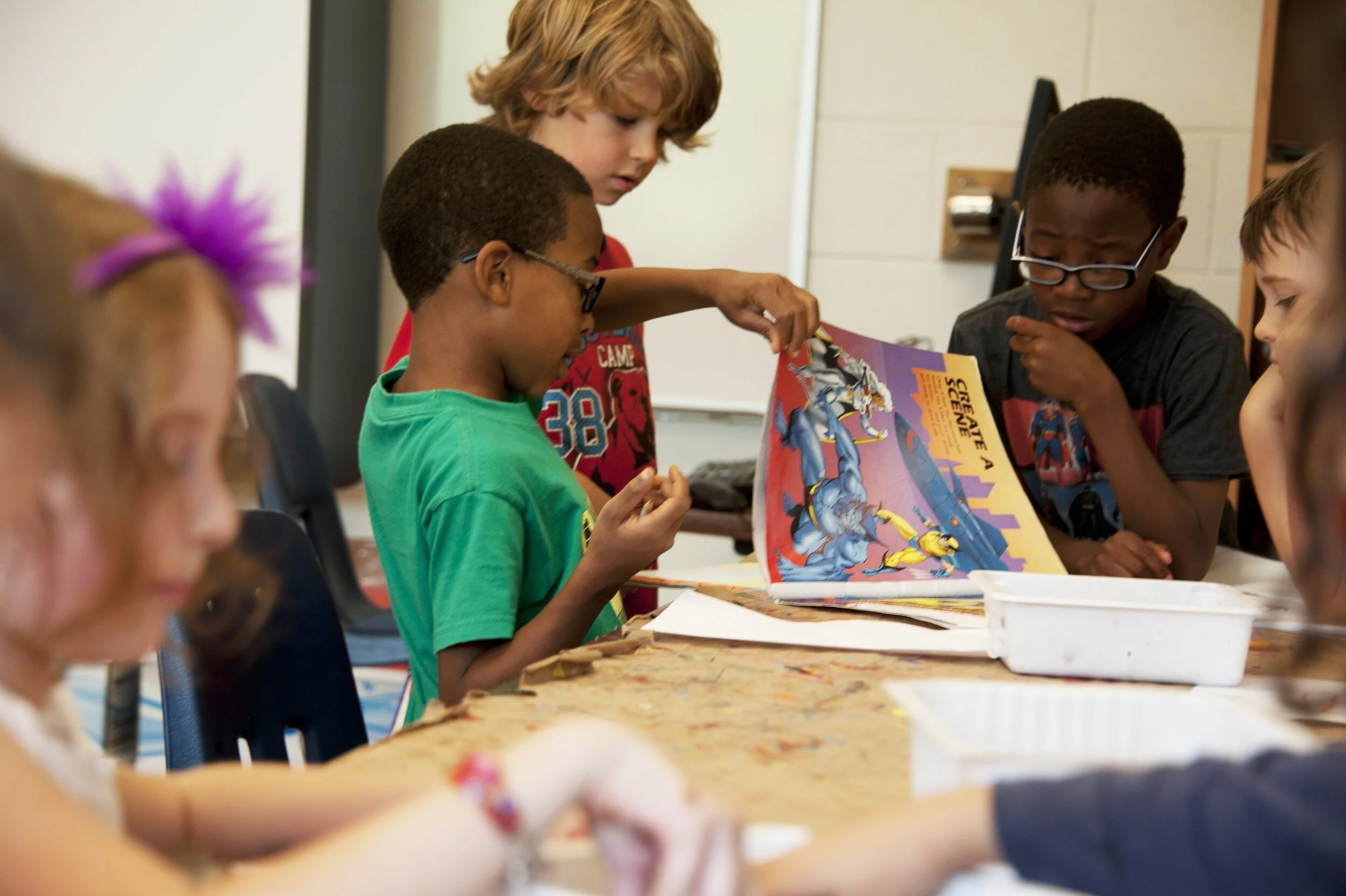
This report began with an objective to gain a comprehensive understanding of the academic, behavioral, and social-emotional effects of after-school programs for K-12 students of low socioeconomic status. The research gathered four main themes as reoccurring consensus concluded that student participation in after-school programs is largely associated with better behavior in school, better grades, better emotional adjustment, and better peer relations than students that don’t participate in after-school programs …

In 2020 we’ve seen racial tension comparable to the 1960’s Civil Rights Movement, with all the ugly stuff it involved; including police brutality, widespread riots, and modern-day lynchings. To deny that racism exists today is to turn a blind eye on a large systemic and communal problem. As educators and advocates for equality, the fight for the rights of our black students and the greater minority community is far from over …

Although tablets are an easy, portable medium through which one could entertain a child and provide ways to learn their ABC’s and 1,2,3; it is important to remember to place a limit on the amount of screen time that children have in order to allow them to interact with their environment, with the people around them, so they grow up knowing that there are better things in the real world than the virtual one...

A relatively new phrase “comprehensive sexuality education” has been coined to describe “age appropriate, medically accurate information on a broad set of topics related to sexuality.” The long term outcomes of receiving such an education are what both parents and educators want for their children: higher academic achievement, reduced risk-taking, and healthy relationships. What does this type of education include? …

A blended family forms when a person and their partner merge their personal lives and start a life together with children from previous relationships. While the concept of blended families has been around for a long time, many were not recognized unless both parents were legally married and had taken on the legal responsibility as guardian of the children (even if one parent was not biologically related). Nowadays, these type of families are becoming even more common, with many divorced parents forming new relationships …

It is necessary that teachers and parents guide their children to employ creativity en mass, and frequently. This involves making time in our daily lives to encourage this behavior. It requires more open-ended questions, allowing room for more than one "right" answer. It requires allowing our children more freedoms to pursue their interests, communicating with them often about their ideas and opinions, and genuinely considering these creative thoughts as a means of validation. For this, our children will be more empowered; readily willing to act creatively when problems arise, and more confident in themselves…

With hopes to make the classroom experience more personalized for each student, many teachers have already began using this innovative and adaptable tool. First, think of the personalized learning playlist as a road-map for your students in their learning process, an outline for the lessons and assignments ahead. This road-map may allow 'different routes', chosen by the student, the teacher, or partially both. …

So, your child has just come out to you as lesbian, gay, bisexual, transgender or questioning. Maybe you have always suspected that your child was LGBTQ, but it had never become a reality until they sat you down at your kitchen table and came out. What do you do? How do you embrace who they are in the right way? …

The first day of school can be tough. A new classroom, teacher and classmates can be a bit intimidating. But have you ever thought about the kids who don’t speak English as their first language? Imagine your first day at school as a non-native English speaker. Not only do you have to keep up with the schoolwork, but you also have to understand the language. Many students in the U.S. experience this on a daily basis. …
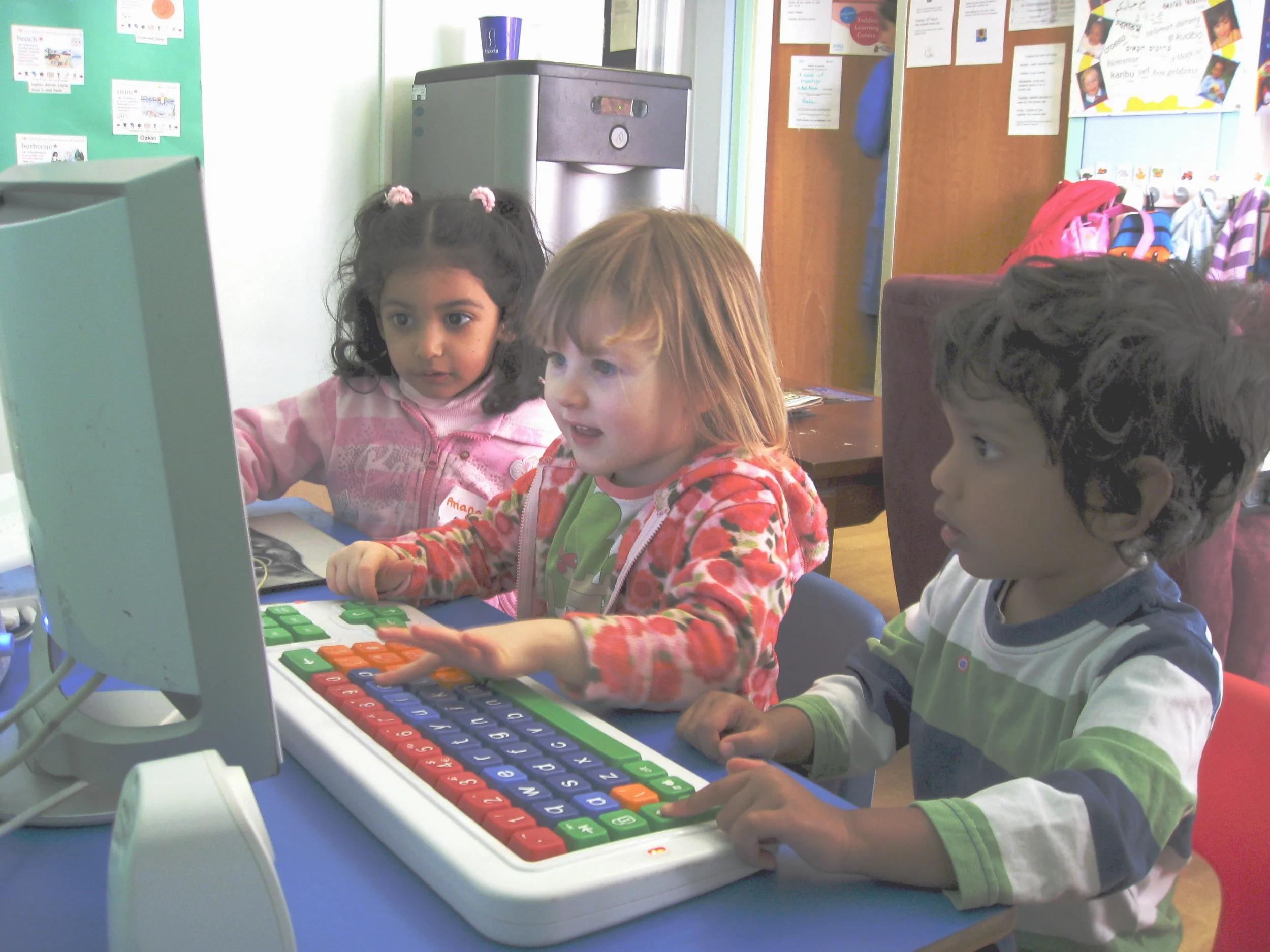
In any case, it is without a doubt that our use of technology is growing, as it integrates into almost every activity in our everyday lives. As technology expands, so will opportunities. Having a basic understanding of what goes on behind the screen can help children excel in the future. ...

Approximately 76% of Americans work more than 40 hours per week, 27% of workers haven't taken a personal or sick day in the past 3 years, and from 1970 to 2006 the average number of hours in a working year increased by 200. ...
Our children’s minds are everything — their personality, their intellect, their actions, and their judgment. The way we relate to our kids day-to-day plays a critical role in supporting their mental health...
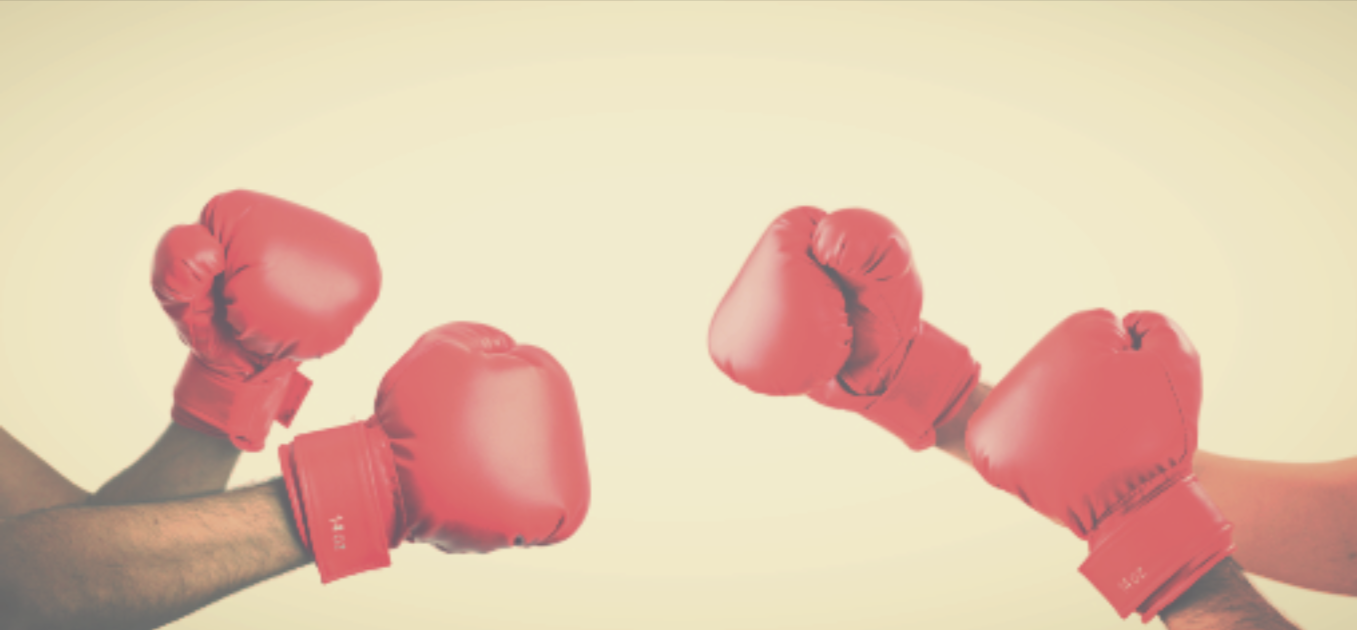
A sort of epic teaching battle for who can produce the best students. Charter schools have become the modern rival of public schools. The conversation has turned even uglier as Teachers Unions take charge and outright defame charter schools, with efforts to remove these entities from particular states all together. I think it’s time we call for some peace. …

In the U.S. school funding comes from a combination of three main sources. This balance varies from state to state, but on average it rounds to about 10% federal money, 45% from the state, and 45% local property taxes. The leading cause for our wide variation of poor and well education across school districts is our latter contributor, property taxes. Property values vary tremendously from neighborhood to neighborhood, district to district; and with them, tax revenues range far and wide just as well. …

In 2016, National Public Radio (NPR) released a report titled Why America's Schools Have A Money Problem. It generated a lot of talk among educators and well-concerned Americans alike. The report accompanied the following graph depicting the blatant problem with school funding across the nation: …

The problem is clearly staring us all in the eye, but lawmakers refuse to see education as an importance that requires equal protections and funding. In 1973, San Antonio Independent School District vs. Rodriguez made it to the U.S. Supreme Court. The plaintiff, Demetrio P. Rodriguez, argued that any school funding system that depends on local property tax revenue is fundamentally unfair to poorer districts. Rodriguez’s sons attended an elementary school where the third floor had been condemned. It lacked books and many of the teachers weren’t certified. …
Over time, restorative justice evolved from a focus on responding to harm and conflict to a focus on building a healthy school culture. A restorative school culture recognizes that people and their relationships with each other form the cornerstone of both safety and learning. Advocates for this approach argue that by practicing restorative justice, educators can reduce the domino effect between suspension and incarceration (interrupting the school-to-prison pipeline), and foster a more inclusive school climate …